February, Which Is Harder Than It Looks
"He gives strength to the weary and increases the power of the weak."
— Isaiah 40:29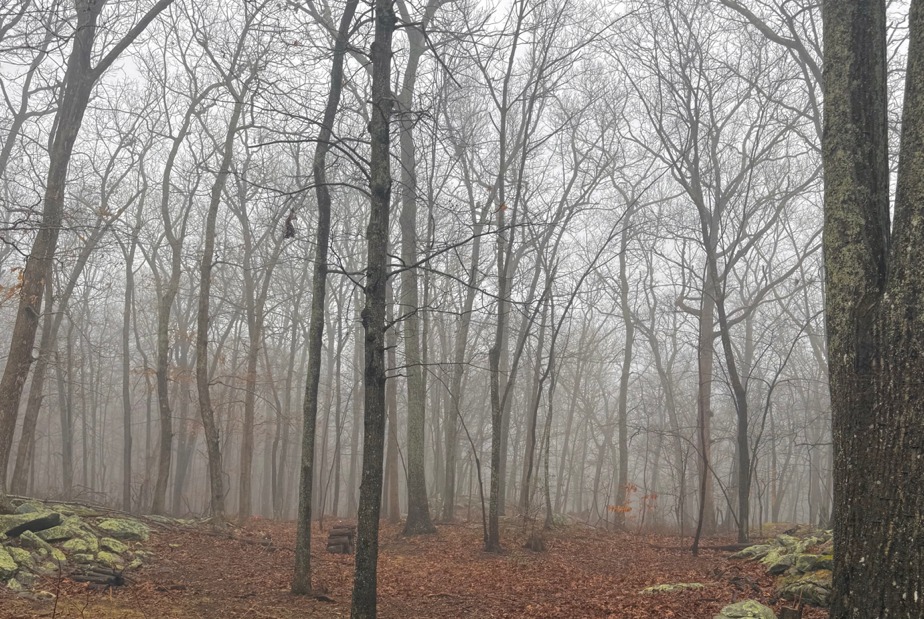
Nobody warns you about February.
December has its lights and its reason for being. January has the clean slate, the reset, the sense of something beginning. But February arrives with none of it. The holidays are gone. The novelty of snow has faded. Spring still feels far away — not just in the calendar but in the body, in the bones.
It is the month when winter feels heaviest.
The days are slightly longer now. Technically. The light lingers a few minutes past where it was in December, and if you are paying close attention you might notice it — the way the sky holds a thin blue at five o'clock instead of going straight to dark. But it is not enough to feel like progress.
Not yet.
What remains in February, once the beauty of the season has worn thin, is endurance.
There is no other word for it. You put on the coat again. You go out into the cold again. You make the soup, light the candle, wait. Not with despair — there is nothing dramatic about February. It asks for something quieter than that. A steady, unhurried willingness to remain.
I have come to think this is its own practice.
The same way a long marriage asks you to love on the ordinary days, not just the luminous ones. The same way faith asks you to show up when nothing feels particularly holy. February is the month that asks: can you stay present when there is nothing to celebrate, nothing arriving, nothing yet to see?
Most years, I can.
Some years it takes until the last week of the month before I remember that March is coming. That the ground is doing something underneath all that cold and gray, even when I cannot see it. That endurance, practiced long enough, becomes its own quiet form of hope.
February always ends.
It just takes longer than it should.
Nobody warns you about that part.